

by Kim Trigoso Harvey, LCSW
The Northwest Catholic Counseling Center (NCC) provides Culturally and Linguistically Specific (CLS) services through our Levantar program.
Rooted in our mission of justice and equity, this initiative serves high-need, historically underserved Latine communities by offering low-barrier, high-quality counseling services.
These core values directly align with the Social Determinants of Health (SDOH)—the environmental conditions where people live, learn, work, play, worship, and age that profoundly impact their health, functioning, and quality-of-life outcomes.
By increasing healthcare access and quality, we actively work to mitigate these risks for residents living across Oregon (including the metro area and beyond), as well as serving Washington State through in-person and tele-health individual, couples, and family counseling.
The Reality of Aguantar vs. Mental Health Advocacy
As a bilingual, bicultural counselor within this program, the majority of my Spanish-speaking Latine clients share a striking commonality during our first session: this is the first time they have ever stepped into counseling.
Taking this step requires immense courage.
Up to this point, many have been conditioned to “Aguantar”—a cultural concept meaning to endure, bear, tolerate, or withstand deep psychological hardship without breaking. Because of this, clients frequently arrive with accumulated layers of complex personal and societal trauma.
They have weathered immigration challenges, acculturation stress, violence, discrimination, oppression, and isolation. Yet, they remain profoundly resilient—anchored by deep family and community values, strong faith, and an enduring sense of humor.
Our Therapeutic Framework: From Isolation to Empowerment

Healing under this program is a deliberate, culturally honored journey that moves through several vital phases:
- Connection/ Hospitality: The therapeutic work begins the moment a client walks through the door. A warm greeting, a gentle smile, and the offer of coffee, tea, or water establish initial safety. In Latine culture, offering sustenance is a love language—a tangible sign of care, connection, and community.
- Deconstructing Self-Judgment: Clients often begin therapy with negative self-statements rooted in guilt, self-blame, and a history of over-functioning. Together, we enter their world to process past and current suffering, allowing them to step back and replace self-judgment with self-understanding.
- Breaking the Silence: Next comes listening. For many, their stories have been deeply suppressed for years, manifesting as depression, anxiety, or emotional withdrawal. By bearing witness to their experiences, we show them that their voices matter, fostering a sense of emotional safety and validation.
- Mindful Awareness and Healing: We practice present-moment awareness—observing and describing emotional experiences without instantly reacting to them. We hold space for grief and acceptance, deconstructing unhelpful, rigid beliefs about how life “should” be.
- Balancing Self and Community: We work on challenging the urge to overfunction, teaching clients to balance the needs of others with vital self-care.
- Bicultural Empowerment: Finally, we focus on cultural adaptation—helping clients comfortably coexist within two societies and leverage their dual cultural identities as a powerful asset rather than a source of conflict.
Ultimately, the transformation in this program is evident in the power of human connection. Together, we break through isolation and hopelessness, allowing clients to reclaim their narratives, build an empowering self-concept, and rewrite their personal stories.
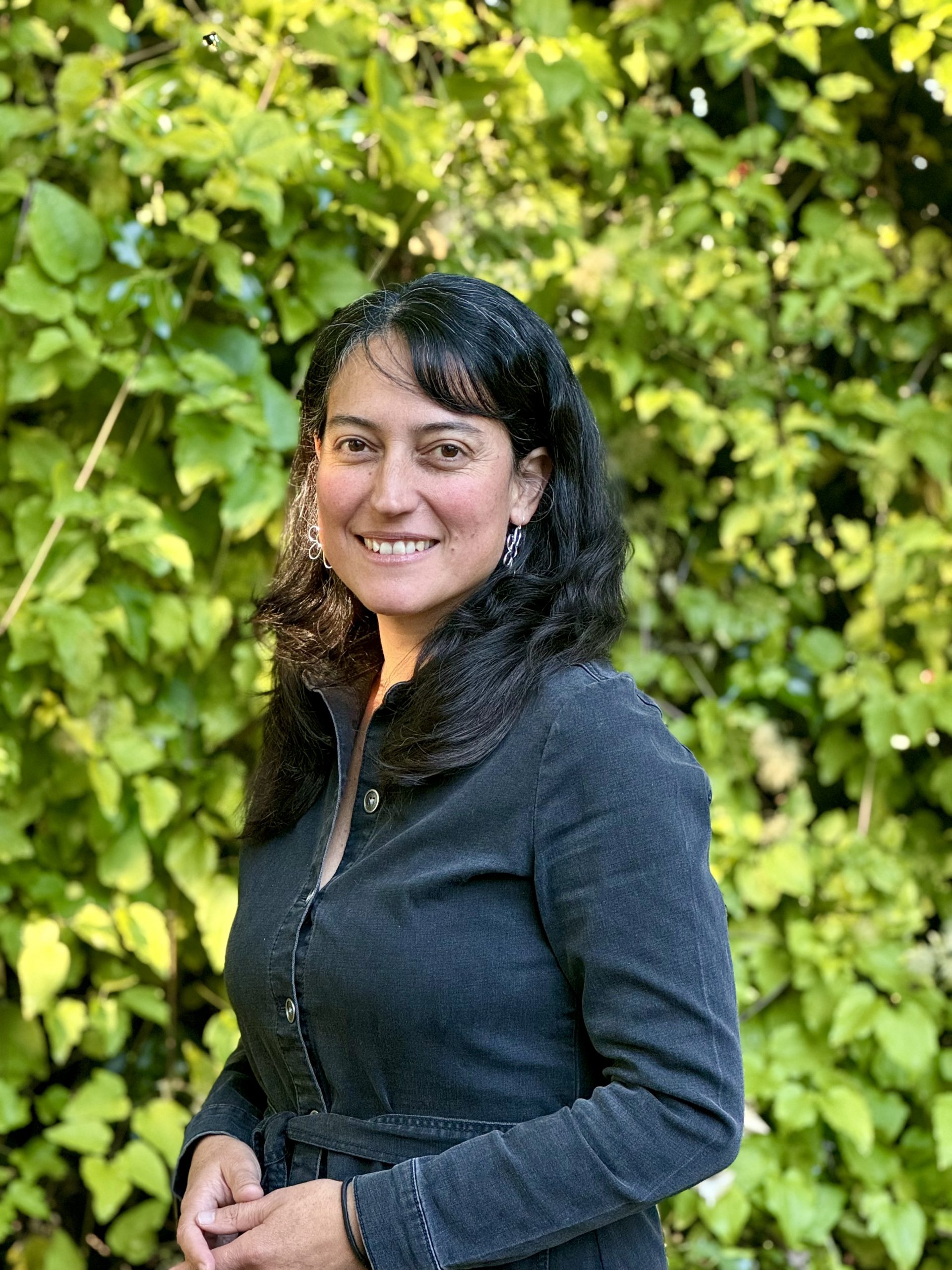
Kim Trigoso Harvey, LCSW (she/her) is a bicultural, bilingual therapist originally from Lima, Peru, with over 22 years of clinical experience. Holding master’s degrees from Portland State University and the University of Calgary, Kim specializes in serving the Latine population in school and community-based settings. Her relationship-grounded practice integrates mindfulness, family therapy, and the Gottman Method to help individuals and couples heal, grow, and build stronger bonds.
She offers therapy in both English and Spanish.
Read more about Kim here.


